The first yes.
339+ companies $6B+ in follow-on capital 12+ years backing student founders Each one started where you are
339+
$6B+
12+


The first door is the hardest. We hold it open.
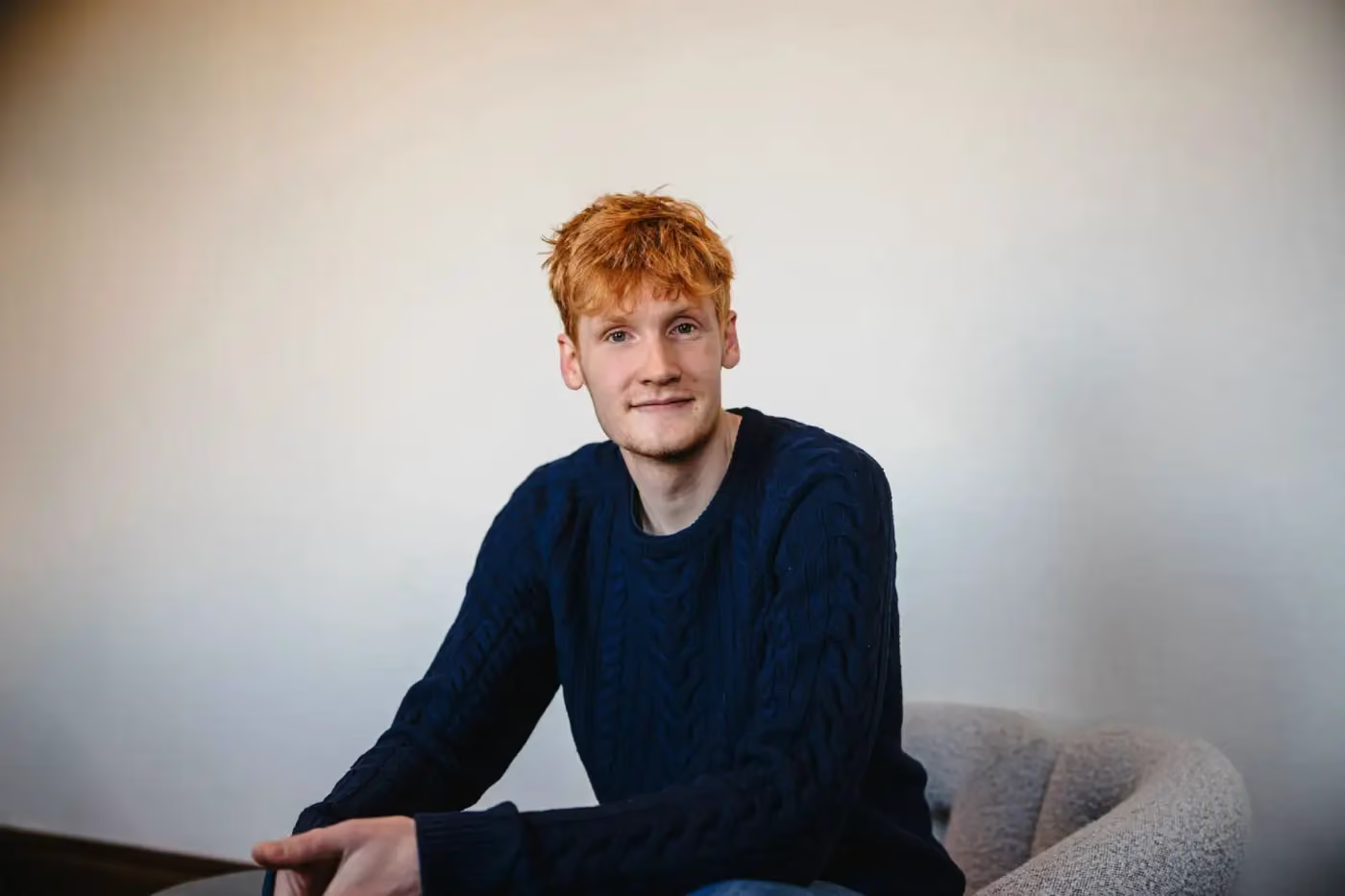


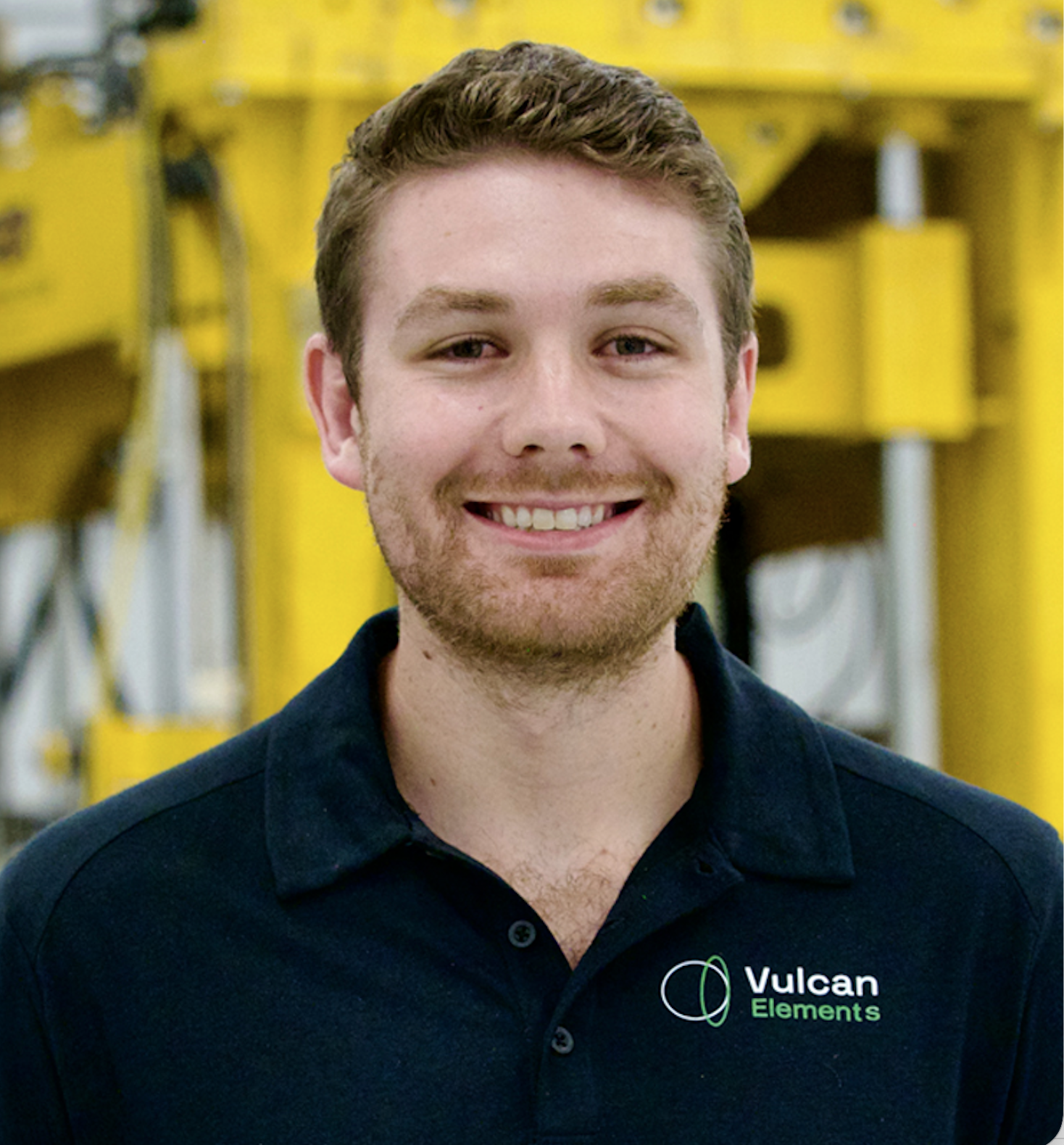
Vulcan Elements is rebuilding American capacity to manufacture rare earth magnets, the material powering everything from submarine propulsion to the electric grid, after decades of depending on someone else's supply chain.
John had spent years overseeing billions of dollars annually across the Navy's ballistic missile and fast attack submarine programs before he ever set foot at Harvard Business School. That experience left him convinced rare earth magnets were a vulnerability the country could not keep ignoring, well before it became a headline. Two of our own students noticed him independently: a classmate of his at HBS, and an MIT Sloan MBA student whose focus was environmental science. When two people from different ecosystems land on the same name for different reasons, that is exactly the signal we pay attention to.


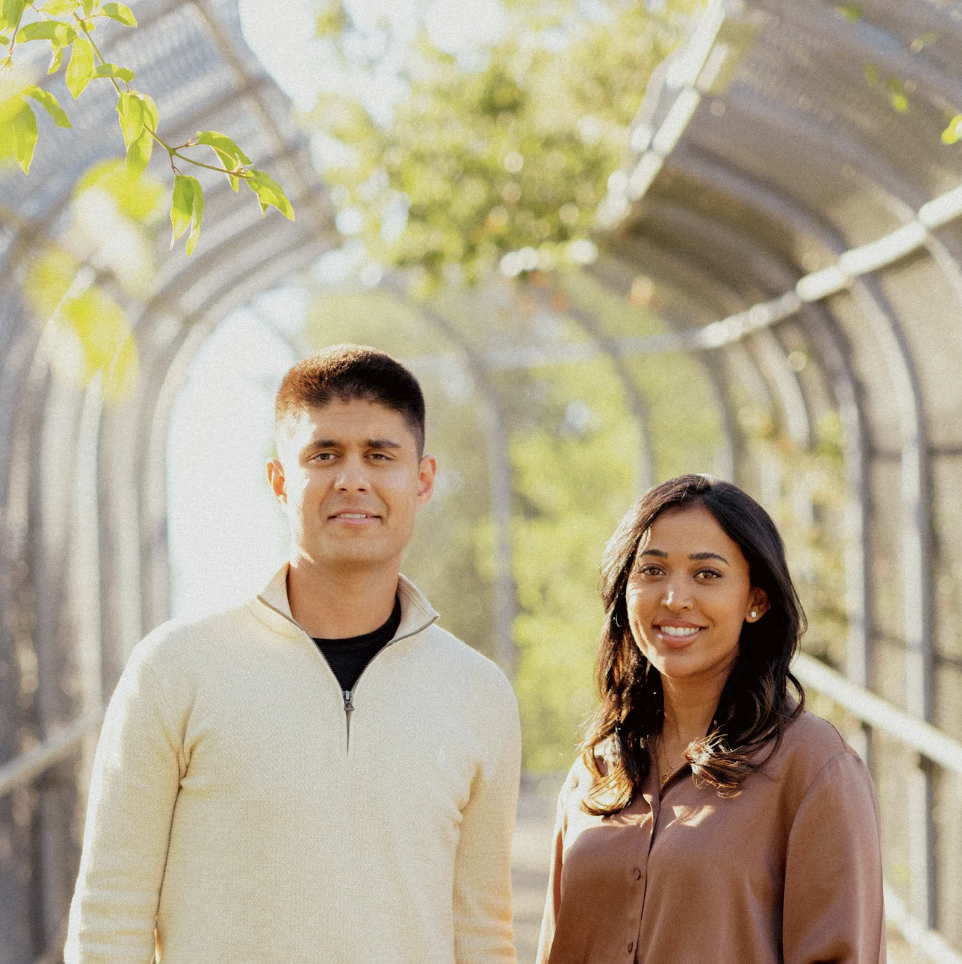
Prepared is the AI layer sitting inside 911 call centers nationwide, transcribing, translating, and flagging critical details in real time so nothing gets lost between a caller in crisis and the responder racing to reach them.
Michael Chime, Dylan Gleicher, and Neal Soni built Prepared out of proximity to tragedy rather than distance from it. Michael grew up near Chardon High School, where a shooting killed three students in 2012. That same year, Dylan and Neal were growing up fifteen minutes from Sandy Hook Elementary. The three of them turned that shared history into a mobile alert tool for schools, then left Yale after their junior year to keep building it full time.
A hospital in New Jersey once asked to see a feature Prepared did not yet have. The team built it in two weeks, submitted it for emergency approval the same night they were due to demo it, drove three hours, and trained the staff on four hours of sleep. By the following morning, they had locked down an entire hospital campus during a simulated active shooter drill, on software that had not existed two weeks earlier.
We met them through classmates on the very campus they had walked away from. What drew the founders in return was not the check, but a room full of other students also doing what everyone said they were too young to do.


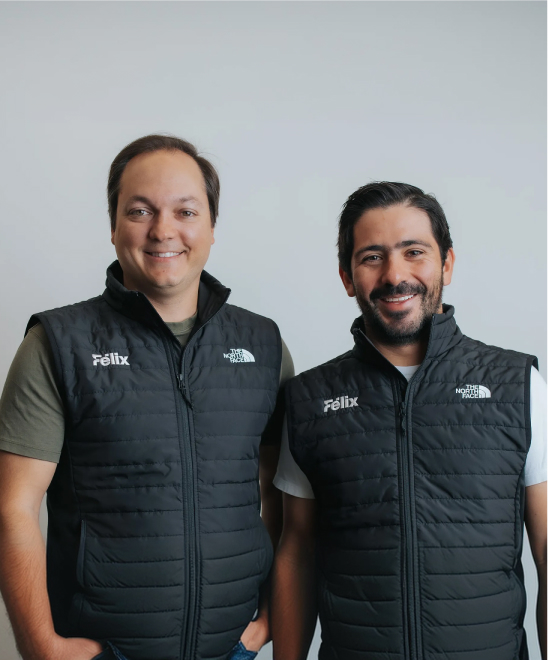
Félix moves remittances for Latin American immigrants across nine countries entirely through WhatsApp, replacing a trip to the corner store with a single message.
Manuel grew up in Venezuela and left for Caltech to study electrical engineering, then spent his twenties building hardware for oil wells, work with nothing to do with payments or immigrants. What he carried with him was his mother, who spent years sending money to his grandmother and watched it arrive late and lighter than it left. He came to Wharton already planning to build something out of that memory, not to recruit for a job like most of his classmates.
Bernardo had spent his own twenties a world away from Venezuela, in Guadalajara and then in consulting and at Uber, but he understood the same problem from a different angle: financial systems that had never been built with immigrants in mind. The two crossed paths at a Latino-focused MBA event, and Manuel invited him into a builder session he had started himself.
A classmate in Manuel's own cohort introduced us to him. By then, he and Bernardo were already spending their weekends at flea markets, asking strangers to trust a text message with their family's savings. We do not forget founders whose instinct is to do that kind of work themselves.

Tanay and Deepika were already building across the clinical frontier as students. Their first clinical trial spotted a leukemia diagnosis before the hospital confirmed it.
Healthcare technology attracts a lot of builders who understand the technology and not the care. Tanay and Deepika understood both. They came from backgrounds that gave them access to the system from the inside, and they used that access to see what was actually broken.
Commure has become one of the most significant healthcare software platforms of this generation, giving time back to clinicians who need it most. We backed them when they were still students. The mission was clear even then.
The healthcare system generates enormous amounts of data and almost none of it is usable at the point of care. Tanay and Deepika understood this as an engineering problem before it was a business opportunity. Their early clinical AI work was not driven by a market thesis — it was driven by the straightforward observation that something critical was broken and they knew how to fix it.
Commure today represents one of the clearest examples of what student investing is supposed to produce: a company that would not exist if someone had not backed the founders before the category was legible. Healthcare technology is full of companies that waited for the market to mature. Commure helped mature it, and the clinicians who use it every day are better off for it.

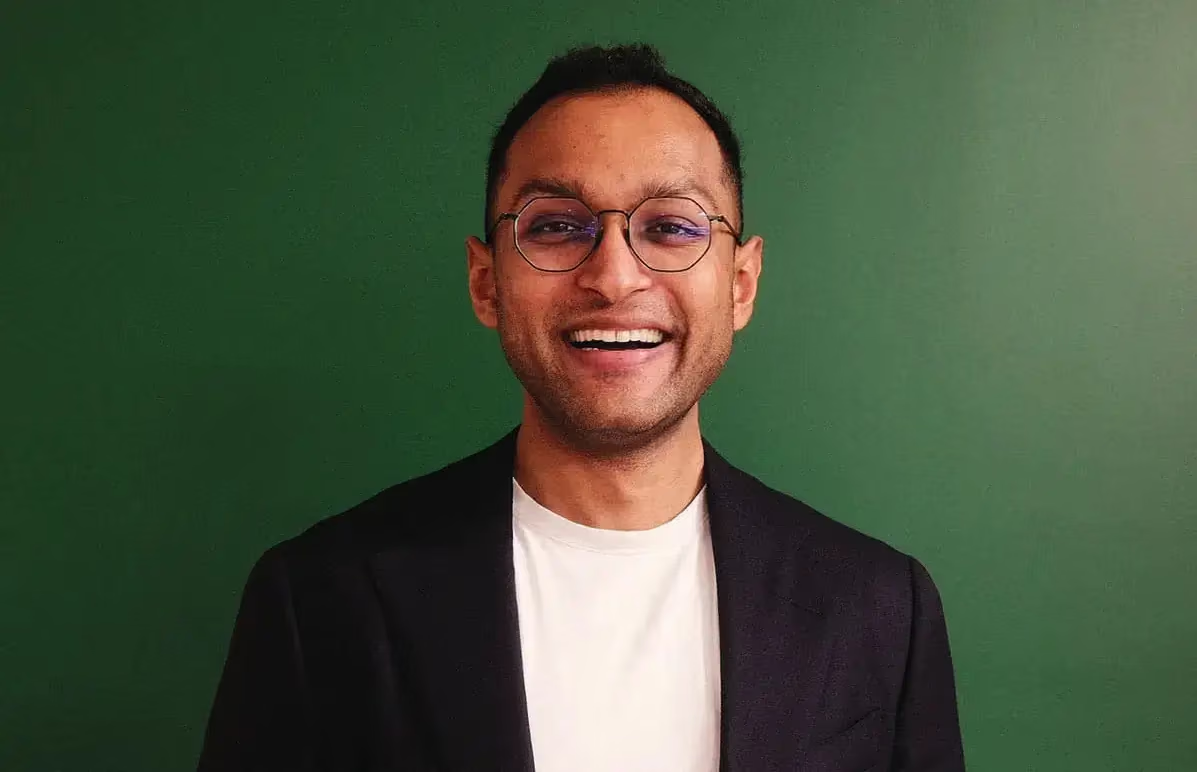
We found them in a hotel lobby mid-pivot, still shaping what Endex would become. At DRF, that is not a red flag. That is the point.
Tarun was building toward something real before he had finished defining it. He understood the pain of working across disconnected tools better than almost anyone, because he had lived it. The idea was still evolving. Tarun already there.
Endex has grown into a platform that replaces the fragmented back-office workflows that slow teams down. The company they are building today is not exactly the one from the hotel lobby, and that is fine. The founders were always the thesis.
The problem Endex is solving is one that every operator has felt but few have articulated cleanly. Back-office work is not glamorous, and the tools built to support it have reflected that neglect for decades. Tarun believed that the friction of working across spreadsheets, email threads, and disconnected platforms was not inevitable — it was a product failure waiting to be fixed by the right team.
What we track in founders over time is whether their conviction sharpens or softens when the path gets harder. With Tarun, it has only sharpened. Every version of Endex has been more focused, more useful, and more informed by what customers actually need. That trajectory is exactly what we hoped for when we wrote the first check in a hotel lobby conference room.

Before they had degrees, Justin and Austin were already building like the rules were optional. We backed two people who build their way through every problem they meet.
Inversion Space is building orbital return vehicles — technology that makes space reentry cheap, reliable, and useful for a new era of commercial activity. The category is hard. The physics are unforgiving. Justin and Austin did not care. They were problem-solving before the fundraise started.
What we look for in founders is not a polished presentation of a problem they have studied. It is the specific energy of people who cannot stop building even when no one is watching. Justin and Austin had that from day one, and it has not dimmed.
The insight behind Inversion Space is deceptively simple: if you can reliably bring things back from orbit cheaply, you change the economics of everything that goes up. Satellites, experiments, manufacturing runs — the return leg has always been the bottleneck. Justin and Austin saw that bottleneck as the opportunity, and they started building before the market had formed a consensus around it.
What distinguished their early work was not just technical competence — it was judgment. They knew which problems to solve first and which to defer. That kind of prioritization is what separates student founders who build impressive projects from the ones who build important companies. We believe Justin and Austin are building something that will matter for decades.

When we met Saif, the prototype was a nail taped to a 3D printer. He moved to Maine, learned the industry from the deck of a fishing boat, and kept going.
Most founders who tackle food systems do it from the outside. Saif went in. He spent months learning how commercial fish are processed, where quality is lost, and what a better method could mean for the economics of the entire industry. The result was a humane, precise technology that improves yield and quality simultaneously.
Shinkei's approach has since been recognized as one of the most significant innovations in sustainable seafood processing. We did not back a market. We backed a founder willing to move to Maine and figure it out. That is the kind of person we always want to find first.
The technology Saif and Reed developed draws on the Japanese practice of ikejime — a precision method that has been used for centuries in high-end cuisine. What Shinkei did was automate and scale it for commercial operations, turning a boutique craft into a reliable, humane, measurable process that any fishery could adopt without overhauling its entire operation.
We think about Shinkei when people ask what kind of companies we want to back. The answer is always the same: founders who go to the source, who do not theorize about problems from a distance, and who are willing to spend months somewhere uncomfortable in order to understand something completely. Saif is that kind of founder. We want to find more of them before anyone else does.

Before the pitch deck was the factory. Toni moved from thesis to physical reality while he was still finishing his degree, and we had a front row seat.

Dental manufacturing is not a category that attracts many first-time founders. That was exactly why Toni and Daniel saw it so clearly. They understood that dentistry was running on infrastructure built for another era, and that software and hardware together could fix it from the ground up.
Dandy has rebuilt the dental supply chain with a precision that only a founder-led company could manage. What started in a room now ships to hundreds of thousands of patients. We were there before it shipped.
What Toni built was not just a better product — it was a better system. The dental lab industry had operated on relationships and geography for generations. Dandy replaced both with software, logistics, and manufacturing precision. The result was a cost structure and turnaround time that incumbent players simply could not match without dismantling and rebuilding themselves from scratch.
The most impressive thing about Dandy is not the scale it has reached — it is the care with which it got there. Every improvement to the supply chain was made with the end patient in mind. Toni never stopped asking whether a better process led to a better outcome for the person in the chair. That kind of discipline is rare at any stage, and it is exactly what we try to identify in a first meeting.


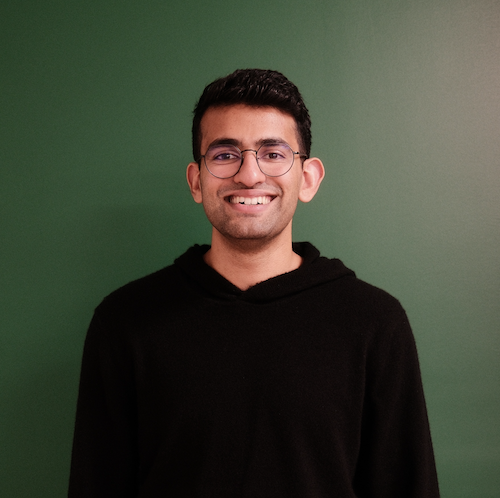
The idea was still changing. Kashish was not. We saw a student founder already thinking like a customer-obsessed company builder, and that is the rarest thing we look for.
Hightouch arrived in a market that did not yet know it needed them. The concept of syncing customer data back into the tools teams actually use was counterintuitive at first glance. Kashish and Tejas made it obvious before the category had a name.
Their growth has been built on a simple insight: data is only valuable when it reaches the people who act on it. Hightouch turned that insight into infrastructure used by hundreds of the world's largest companies. We backed the people before we backed the product, and that has always been the right call.
What made Kashish exceptional was not just product intuition — it was willingness to do the unsexy work. Before any enterprise customer would trust Hightouch with their data stack, Kashish was on calls, in Slack channels, mapping customer workflows by hand. That kind of founder-level attention to the customer problem is what creates durable product-market fit, and it cannot be faked at any stage of the company.
The category Hightouch helped define has since attracted significant attention and capital. Kashish and Tejas were there before the vocabulary existed. That is what it looks like when a founder is ahead of the market rather than chasing it. Finding those founders before anyone else does is exactly what DRF is built to do.


When 29 of 30 investors passed, we saw the mission clearly. Shield AI was not simply building drones. They were building a way to keep people out of harm's way, and Brandon and Ryan had the conviction to prove it.
They came with the kind of certainty that does not require external validation. Their technology was ahead of what the market knew to want. The mission was personal. The combination of those two things is rare, and it is almost always a sign of something real.
Shield AI is now one of the most important defense technology companies in the country, building autonomous AI pilots for the most demanding environments on earth. We were proud to write the first check, and proud to have never doubted the founders behind it.
Brandon and Ryan understood something that most defense investors missed: the bottleneck was not hardware, it was intelligence. A system that can react faster than a human in a contested environment is not a product — it is a doctrine. They were building doctrine while others were still debating spec sheets. That level of conceptual clarity in a first-time founder is almost unprecedented.
Every hire Shield AI has made, every capability they have shipped, every deployment traces back to the founding question: how do we protect lives by removing them from danger? The company has answered that question at scale and kept asking it. That is the kind of mission that does not dilute over time. We could not be more proud to have written the first check before the answer was obvious.

We backed Michael before he had an idea, let alone a product. The bet was not on a category or a deck. It was on a builder we knew would keep going, no matter where the market moved.
What became Cursor started with a simple question: what if the entire way we write code is fundamentally broken? Michael and his co-founders did not approach AI-assisted development as a feature. They approached it as a re-architecture of the developer experience from the ground up.
Today Cursor is one of the most widely used AI-native development tools in the world. The thesis has not changed since the first day: the best founders are often invisible until they are not. We saw Michael early, and that has always been the point.
The questions Michael kept asking were not about features or market timing. They were about the nature of the relationship between a developer and their tools — whether something more collaborative was possible, something that could actually understand intent. That question guided every decision the team made, long before the product had a name.
The growth of Cursor has validated something we believe deeply: the best early-stage bets are not about predicting the future, they are about recognizing the people most likely to shape it. Michael and his team built something the industry did not know it was waiting for, and then made it indispensable. We would make that bet again on the same day with the same information.
A network built
for the next problem